Monday – Saturday: 8:00 AM –
6:00 PM


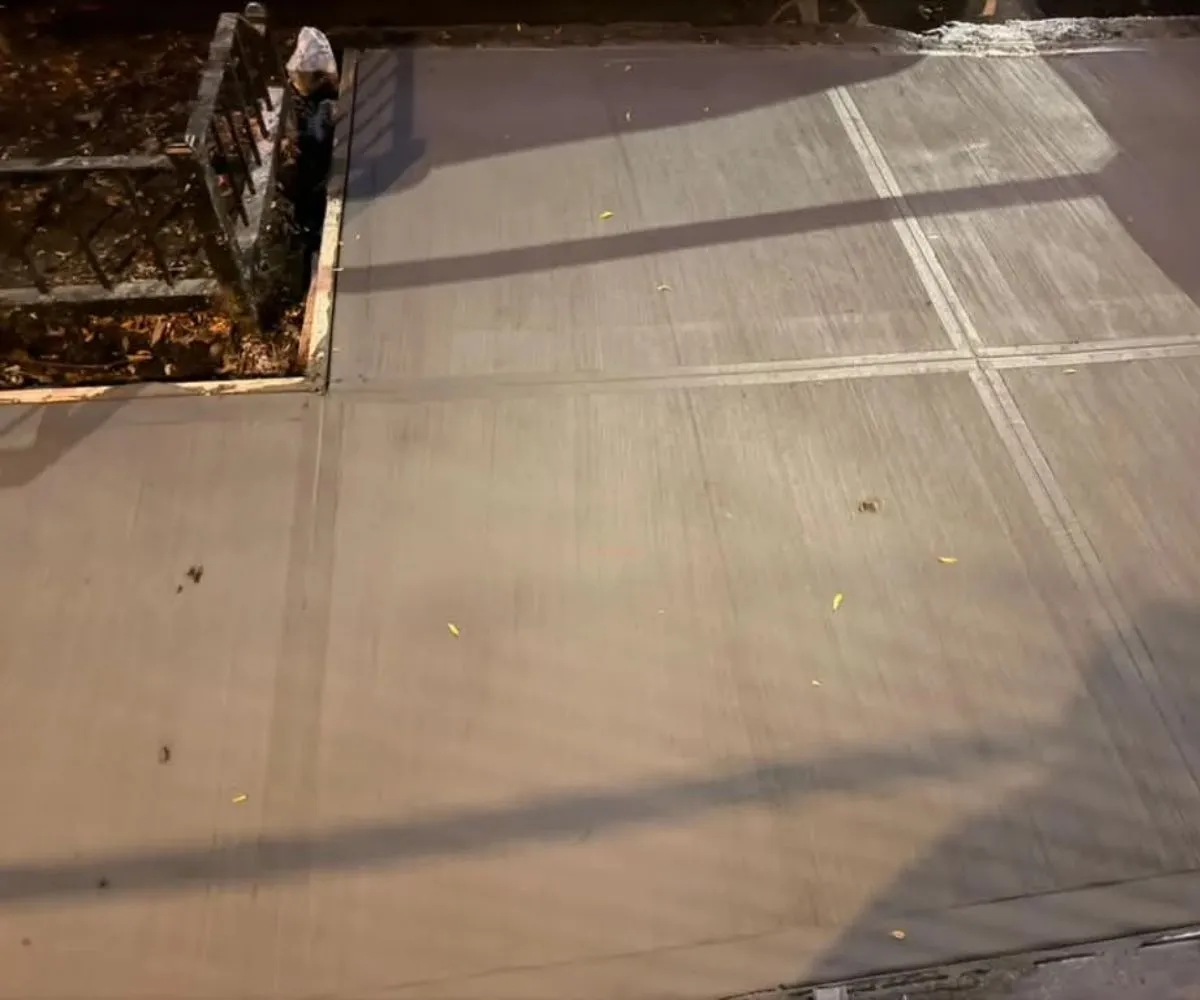
A residential property manager in Boerum Hill needed sidewalk repairs after tree roots, heavy foot traffic, and years of wear had damaged the concrete. We handled the project from the initial assessment and permit coordination through root management, concrete replacement, and final inspection sign-off.
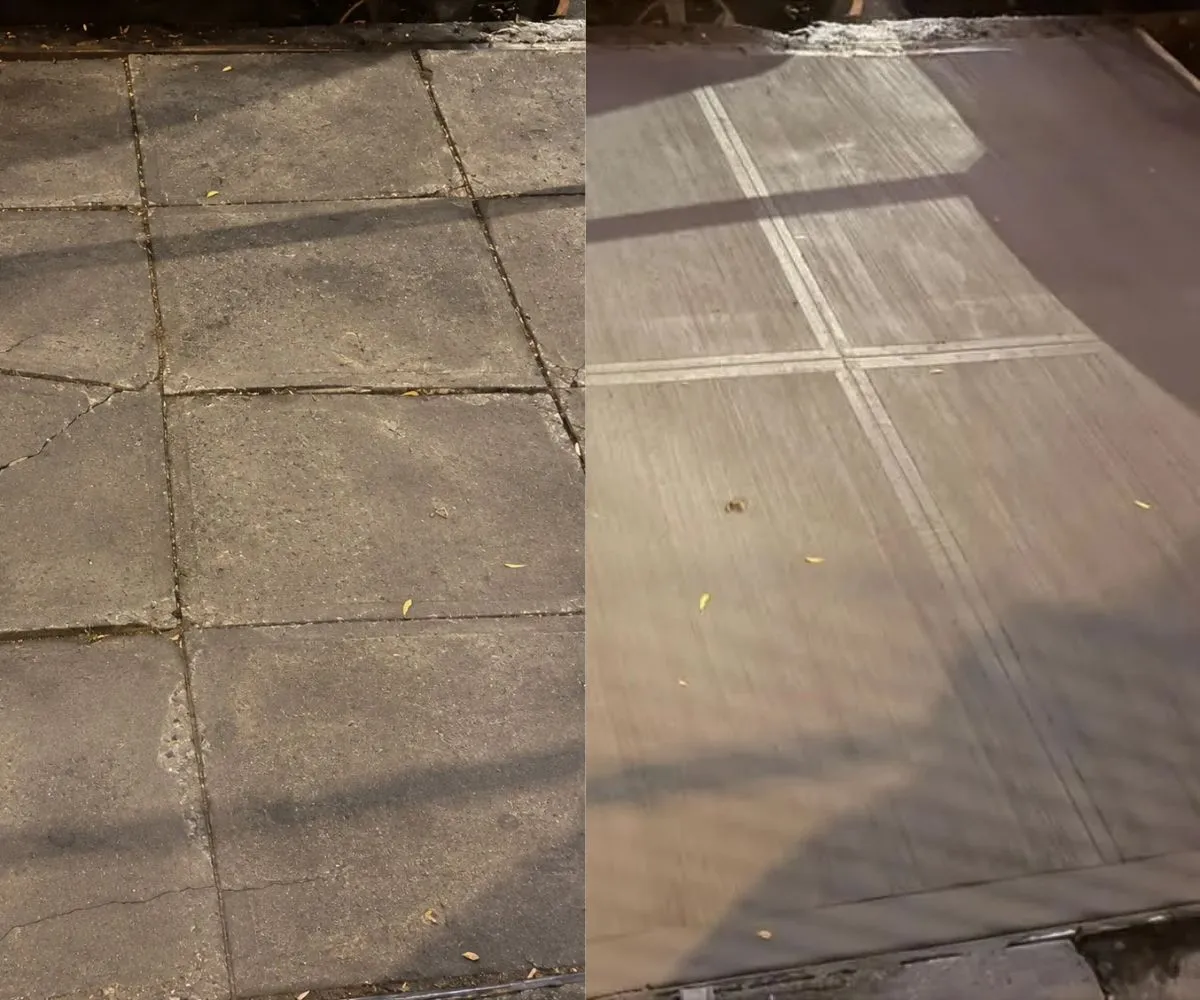
At 52 3rd Ave, Brooklyn, NY 11217, the sidewalk damage had more than one cause. Street tree roots had been pushing on the slabs from below, steady pedestrian traffic along 3rd Avenue kept wearing the surface down, and the concrete was simply showing its age. Together, those factors had left sections of the sidewalk cracked, uneven, and overdue for replacement.
Because tree roots were part of the problem, this couldn't be a straightforward break-out-and-pour job. The repair needed root pruning, a root barrier, and proper subbase preparation before any new concrete went down. It also meant more permits than a typical sidewalk replacement, including tree work and Landmarks Preservation Commission approvals where they applied. Our team coordinated all of it as a single project.
Project Snapshot
- Client: Residential property manager
- Location: 52 3rd Ave, Brooklyn, NY 11217
- Neighborhood: Boerum Hill, Brooklyn
- Area repaired: About 300 square feet
- Slabs replaced: 12 sidewalk slabs
- Damage Cause: Tree root growth, heavy foot traffic, and general wear and tear
- Work included: Sidewalk assessment, permit acquisition, concrete demolition, root pruning, root barrier installation, subbase preparation, new 4,000 PSI concrete, broom finish, expansion joints, and final inspection coordination
- Permits and coordination: Sidewalk repair permit, sidewalk closing permit, 811 utility mark-out ticket, LPC permit, and tree work permit, as required
- Cost: Around $6,300, including required permits
- Timeline: Up to 65 days from permit handling and construction through final inspection and sign-off
Three Factors Contributed to the Sidewalk Damage
Sidewalk deterioration doesn't always come down to a single cause. At this property, tree root growth, regular pedestrian traffic, and general wear and tear all played a part in the need for concrete replacement.
Tree roots expand beneath sidewalk slabs as they grow. When they meet concrete, they gradually push sections upward, creating uneven surfaces and raising the risk of trips and falls.
Foot traffic adds repeated pressure on top of that. Over time, everyday use and exposure to changing weather conditions wear the surface down and contribute to cracking and other forms of concrete damage.
When these factors affect multiple sections, patching individual cracks is rarely the right fix. Replacing the damaged slabs lets us address the underlying area before new concrete goes in.
For this project, 12 slabs covering approximately 300 square feet needed replacement, along with root management to deal with the tree-related side of the damage.
Why the Repair Required More Than New Concrete
Replacing damaged sidewalk slabs involves more than breaking out the old concrete and pouring a fresh layer.
When tree roots are part of the problem, the condition of the ground underneath matters just as much as the surface. Without addressing the roots, new concrete stays vulnerable to the same movement as the roots keep growing.
That's why the work at 52 3rd Ave included root pruning and root barrier installation as part of the repair. These measures help manage root interference beneath the replacement sidewalk. We took the same approach on a tree-root sidewalk repair on the Upper West Side.
Subbase preparation was another key step. A properly prepared base supports the new concrete and helps create a consistent, level surface.
The team also installed expansion joints and applied a broom finish to the new concrete. Together, these steps formed a replacement process built to address the damaged sections rather than just cover their visible defects.
Planning the Work Around Permits and Tree Roots
Before construction, the project required permit handling and coordination for the proposed sidewalk work.
The administrative side included the sidewalk repair permit and sidewalk closing permit, along with an 811 utility mark-out ticket. The project also called for an LPC permit and a tree work permit, as required for this property and the scope of work.
These requirements matter because sidewalk repairs involving excavation or tree roots need coordination that goes beyond the concrete installation itself.
Utility mark-out identifies underground infrastructure before excavation begins. The sidewalk permits cover the authorized work, while tree-related and landmark approvals have to be handled when they apply to the specific property and proposed activities.
Sorting out these requirements before construction let us organize the work and account for the administrative steps that affect the overall schedule.
For the property manager, having the permitting and construction stages handled as one project made the whole repair far easier to manage.
Managing Tree Roots While Restoring the Walking Surface
One of the most important considerations on this project was the relationship between the damaged sidewalk and the tree roots beneath it.
When roots push concrete slabs out of position, the surface develops uneven transitions. Those conditions affect how pedestrians move along the sidewalk and often require more extensive work than a surface-level repair.
We addressed this through root pruning, root barrier installation, and subbase preparation before the new concrete was poured.
These measures were part of a broader replacement process intended to improve the walking surface while accounting for the factors that caused the original damage.
Root-related sidewalk repairs still call for site-specific judgment. Root barriers and pruning can't guarantee that future root growth will never affect the concrete again, but sound root management is an important part of a considered repair strategy.
How We Rebuilt the 300-Square-Foot Sidewalk
- We assessed the damaged sidewalk.
Our team inspected the affected area, identified 12 slabs for replacement, and evaluated the damage caused by tree roots, foot traffic, and general wear. - We coordinated permits and utility mark-out.
We handled the required sidewalk and closing permits, coordinated the 811 utility mark-out, and addressed the applicable tree work and LPC permit requirements. - We removed the damaged concrete.
The 12 deteriorated sidewalk slabs were demolished and hauled away, exposing the underlying area for preparation and root management. - We pruned roots and installed a root barrier.
Roots contributing to the sidewalk damage were pruned, and a root barrier was installed to help manage future root growth near the replacement concrete. - We prepared the subbase.
The underlying base was prepared for the new sidewalk, with unsuitable material addressed as needed to create a stable foundation. - We poured new 4,000 PSI concrete.
New 4,000 PSI concrete was installed across approximately 300 square feet, replacing the 12 damaged slabs. - We applied a broom finish and installed expansion joints.
The concrete was finished with a broom texture for a suitable walking surface, and expansion joints were installed to accommodate movement between concrete sections. - We coordinated final inspection and sign-off.
We managed the inspection and sidewalk violation dismissal process as applicable, with the overall project taking up to 65 days from permit handling through final inspection and sign-off.
What the Sidewalk Replacement Addressed
Replacing the 12 damaged slabs addressed several practical concerns tied to the property's deteriorated sidewalk.
A More Even Walking Surface
Removing damaged concrete and installing replacement slabs corrected the affected sections of the sidewalk. A properly finished surface reduces the uneven transitions that come with deteriorated or displaced concrete.
Attention to Root-Related Damage
Root pruning and root barrier installation were built into the work rather than treating the problem solely as concrete deterioration. This approach accounted for the tree-related factor behind the damage, although future root behavior can't be guaranteed.
A Rebuilt Concrete Foundation
Subbase preparation formed part of the replacement process. Preparing the underlying area before pouring new concrete gives the finished sidewalk proper support.
A Consistent Surface Finish
The new 4,000 PSI concrete received a broom finish, and expansion joints were installed as part of the specified work. These details contributed to the completed sidewalk's surface and construction.
Coordinated Permit and Inspection Processes
The project included permit acquisition and coordination through final inspection and sign-off. For a property manager, handling these administrative requirements alongside the construction work makes the overall repair process much easier to coordinate.
Why Sidewalk Repair and Violation Dismissal Are Separate Steps
Completing a sidewalk repair doesn't automatically mean an existing violation has been dismissed.
The physical work addresses the damaged concrete. The administrative process may still require an inspection, documentation, or other steps before the relevant agency records the violation as resolved.
That distinction matters for property managers responsible for maintaining sidewalks and tracking outstanding compliance issues.
At 52 3rd Ave, the project scope included coordination of the final inspection and sidewalk violation dismissal process. That extended the work well beyond demolition and concrete replacement, with the goal of addressing the damaged sidewalk and seeing every applicable step through to final sign-off.
Project Outcome
The project involved replacing 12 sidewalk slabs across approximately 300 square feet at 52 3rd Ave, Brooklyn.
The work included concrete demolition, root pruning, root barrier installation, subbase preparation, and installation of new 4,000 PSI concrete. A broom finish and expansion joints completed the specified concrete work.
Permit acquisition and coordination were also part of the scope, along with the process leading to final inspection and sign-off.
The estimated project cost was approximately $6,300, including required permits. The overall timeline was up to 65 days from permit handling and repair work through final inspection and sign-off.
By combining concrete replacement with root management and permit coordination, the project addressed the documented repair requirements in a single scope of work.
What the Client Had to Say
"The sidewalk needed more than a basic concrete repair because tree roots had contributed to the damage. The team handled the permits, replaced the damaged slabs, and took care of the root-related work. They also coordinated the inspection process, which made managing the project much easier. Having one contractor handle the work from start to finish was a big help."
The Bottom Line
Sidewalk damage caused by tree roots, heavy pedestrian traffic, and general wear often requires more than replacing the visible concrete.
The project at 52 3rd Ave involved 12 slabs and approximately 300 square feet of sidewalk. It included root pruning, root barrier installation, subbase preparation, and new 4,000 PSI concrete, along with the required permit and inspection coordination.
For property managers, the key is understanding the full scope before construction begins: identifying the damaged sections, accounting for root-related conditions, confirming the applicable permits, and planning for the final inspection and sign-off process.
With an estimated cost of $6,300, including required permits, and a timeline of up to 65 days, this project brought the repair work and administrative coordination together under one scope.
Dealing with root-damaged sidewalk concrete or an open sidewalk violation?
Eden Concrete Contractors NY manages the whole process, including permits, root work, concrete replacement, inspection requests, violation dismissal, and final sign-off.
We serve property owners and managers throughout Brooklyn, Manhattan, Queens, and the Bronx. Contact us today to schedule a sidewalk inspection and get an estimate for your property.