Monday – Saturday: 8:00 AM –
6:00 PM
Monday – Saturday: 8:00 AM –
6:00 PM


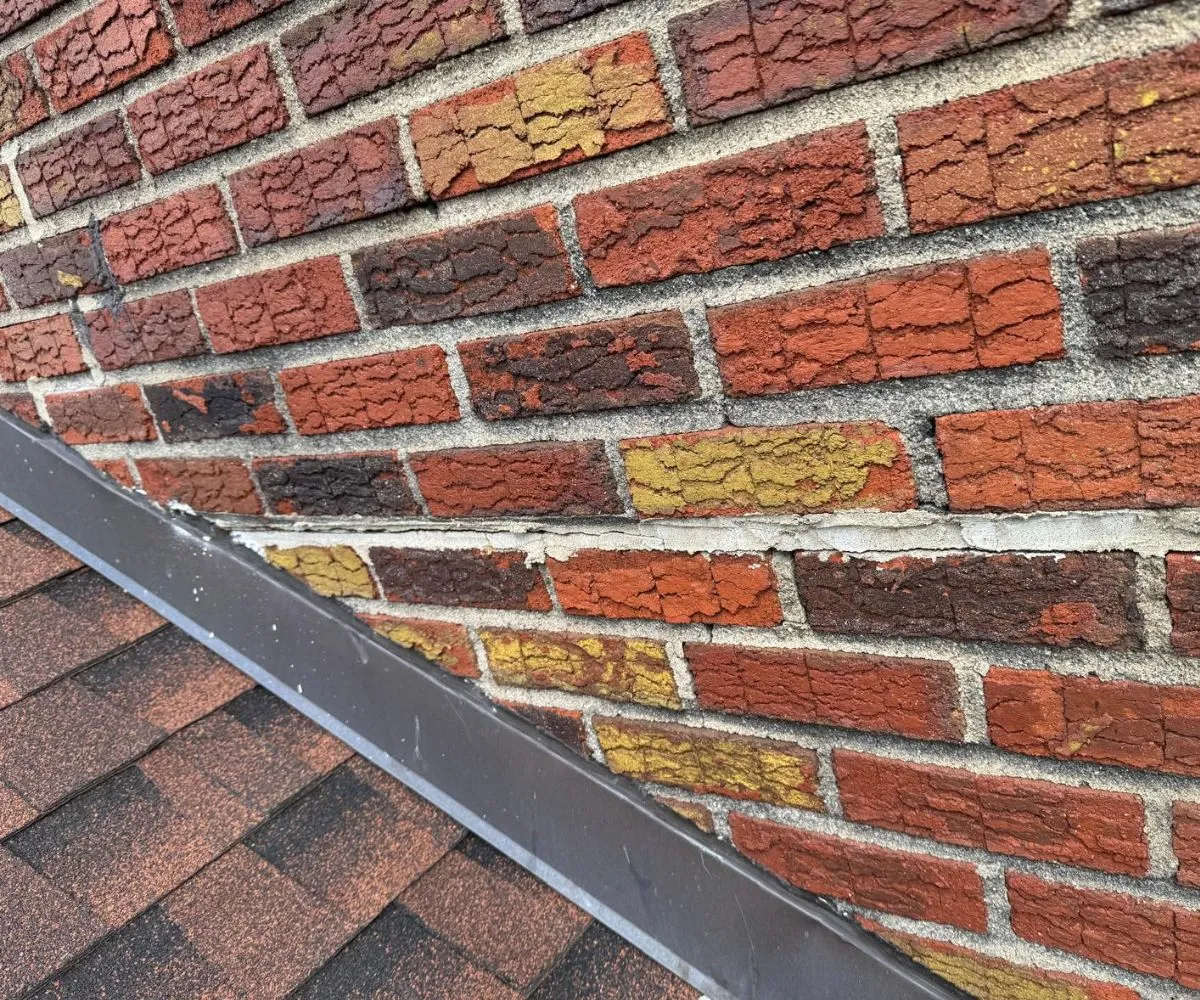
At 1947 7th Ave, New York, NY 10026, Eden Concrete Contractors NYC completed a targeted brick repointing project to restore deteriorated mortar joints across sections of the property's exterior brickwork.
The existing bricks remained in place, but portions of the mortar between them had become aged, worn, and deteriorated. Instead of replacing the masonry, our work focused specifically on the joints: removing deteriorated mortar, preparing the exposed joints, and installing fresh mortar to restore a tight and consistent bond between the existing bricks.
The project helped improve the condition and appearance of the masonry while addressing vulnerable joints before deterioration could progress further.
Project Highlights
- Project: Brick Repointing
- Location: 1947 7th Ave, New York, NY 10026
- Neighborhood: Harlem, Manhattan
- Property Type: Prewar multifamily/co-op building
- Primary Issue: Aged and deteriorated mortar joints
- Service Provided: Removal of deteriorated mortar, joint preparation, fresh mortar installation, joint tooling, and final cleanup
- Objective: Restore deteriorated mortar joints while preserving the existing brickwork
- Permit & Compliance: Brick repointing is generally classified by NYC DOB as permit-exempt exterior restoration work when performed within the applicable scope. Any access and public-protection requirements depend on the specific work conditions.
The Problem: Deteriorated Mortar Between Existing Bricks
The main concern at this property was the condition of the mortar joints.
Over time, exterior mortar is continuously exposed to rain, temperature fluctuations, wind, and seasonal weather conditions. As mortar ages, sections can become brittle, recessed, cracked, or begin separating from the edges of the bricks.
That deterioration was visible within portions of the brickwork at 1947 7th Ave.
While the existing bricks remained in place, weakened joints needed attention. Leaving deteriorated mortar untreated can create openings between masonry units and make the wall more vulnerable to continued weather exposure.
The solution was therefore repointing, not brick replacement.
Why Repointing Was the Appropriate Repair
Repointing is intended specifically for masonry where the bricks can remain but the mortar joints have deteriorated.
Rather than covering the old joints with a thin layer of mortar, proper repointing involves removing deteriorated material to an appropriate depth and installing fresh mortar within the prepared joints.
This approach allowed Eden Concrete Contractors NYC to restore the affected sections without unnecessarily disturbing the existing bricks.
For an older masonry property, preserving serviceable original materials while correcting the actual area of deterioration can provide a more targeted repair.
Our Brick Repointing Process
1. Inspecting the Mortar Joints
The work began by identifying the joints that required attention.
Our crew examined the brickwork for visibly deteriorated, loose, recessed, or weakened mortar. This helped define the areas that required repointing while avoiding unnecessary work on joints that remained serviceable.
2. Removing the Deteriorated Mortar
The deteriorated mortar was carefully removed from the affected joints.
This was one of the most important stages of the project.
Simply spreading new mortar across the surface of an old, failing joint would not provide the same repair. Removing the weakened material created space for the fresh mortar to be properly installed within the joint rather than sitting only on its surface.
Care was also taken during removal to avoid unnecessary damage to the edges of the existing bricks.
3. Cleaning and Preparing the Joints
After the deteriorated mortar had been removed, the exposed joints were cleaned and prepared.
Loose particles and debris were cleared from the repair areas so they would not interfere with the placement of the new mortar.
Proper preparation helped create clean joints ready to receive fresh material.
4. Installing Fresh Mortar
Fresh mortar was then carefully packed into the prepared joints between the existing bricks.
The objective was to completely fill the repair areas and restore continuity throughout the affected sections of masonry.
Working systematically across the brickwork helped maintain consistent joint depth and appearance.
5. Tooling the Mortar Joints
After placement, the fresh mortar joints were tooled and finished.
Joint tooling is important for more than appearance. It helps compact the exposed mortar surface and creates a consistent profile throughout the repaired area.
Particular attention was given to keeping the finished joints neat and compatible with the surrounding existing masonry.
6. Final Inspection and Cleanup
Once the repointing was complete, the repaired areas were reviewed for consistency.
Excess mortar and loose debris were removed, leaving the existing brickwork with renewed mortar joints and a cleaner overall appearance.
The objective was not to make an older brick wall look artificially new. Instead, the finished work was intended to restore the deteriorated joints while maintaining the character of the existing masonry.
The Main Challenge: Working With Existing Masonry
One of the important considerations for this project was working around existing brickwork rather than replacing it.
Older masonry naturally shows variations in texture, color, and weathering. Fresh mortar therefore needs to be installed carefully so that the completed joints work with the existing brickwork instead of appearing like heavy surface patches.
The crew also had to remove deteriorated mortar without unnecessarily damaging the edges of the surrounding bricks.
That combination of careful removal, joint preparation, mortar placement, and finishing was central to completing the repointing properly.
The Finished Result
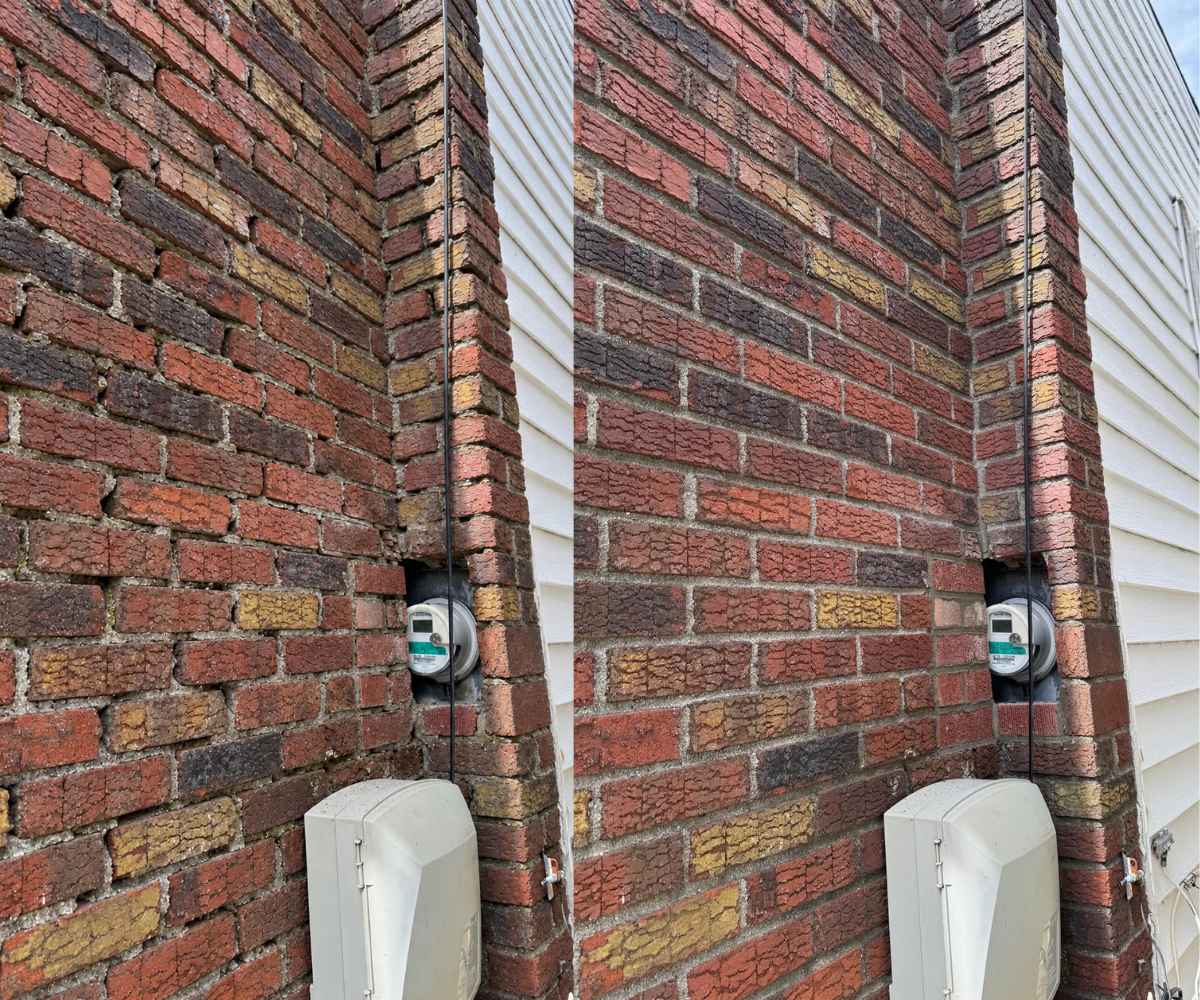
The completed project restored the deteriorated mortar joints while retaining the property's existing brickwork.
Old and weakened mortar was removed from the affected areas, the joints were properly prepared, and fresh mortar was installed and tooled for a consistent finish.
Rather than changing the masonry itself, the work renewed one of its most important components: the mortar holding the existing brickwork together.
The finished repointing gave the repaired sections cleaner, tighter joints while helping address the deterioration that had developed over years of exterior exposure.
Need Brick Repointing in Manhattan?
Cracked, recessed, or crumbling mortar can leave otherwise serviceable brickwork vulnerable to continued deterioration. Contact the trusted masonry experts at Eden Concrete Contractors NYC for professional brick repointing in Manhattan. Contact us today to schedule an inspection and get an estimate for your brick pointing or repointing project.