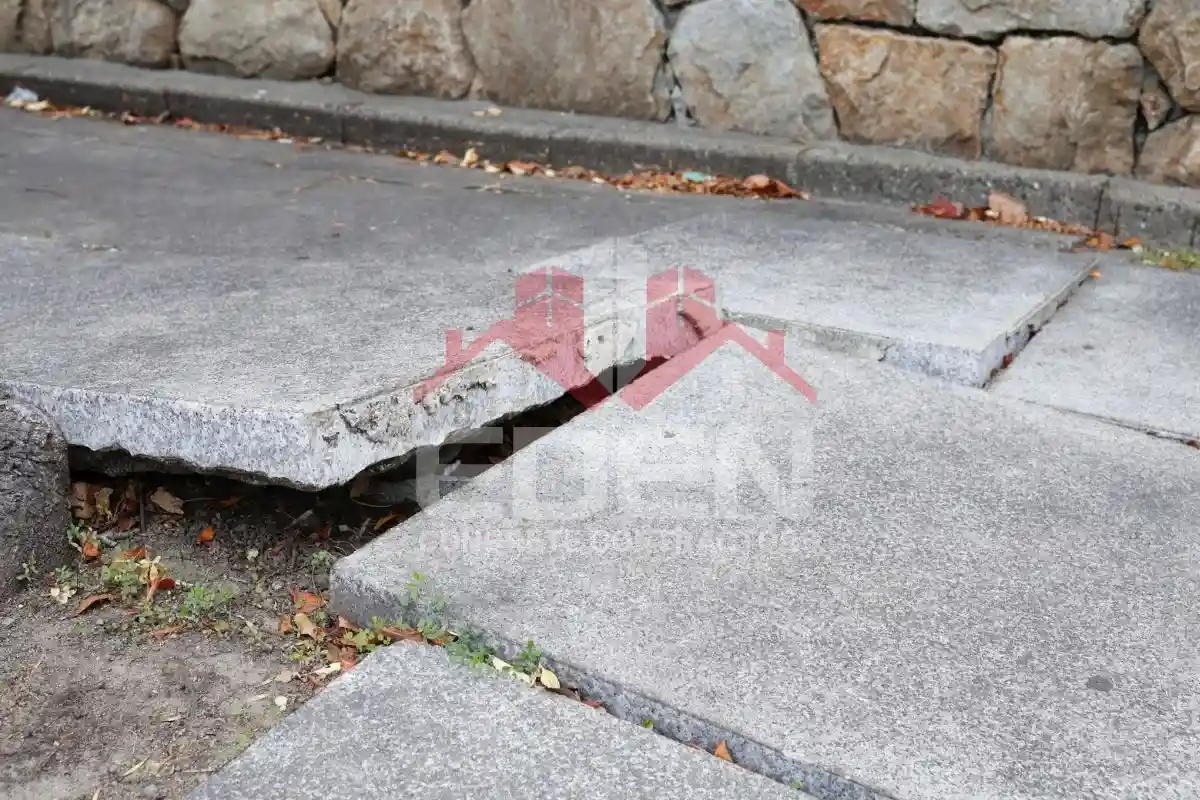
4 Most Common Sidewalk Violations In New York City
The most common sidewalk violations include cracked or deteriorated concrete, uneven sidewalk slabs that create trip hazards, damage caused by tree roots, and repairs that do not meet NYC DOT standards. Property owners are legally responsible for maintaining the sidewalk in front of their property, and failure to do so can lead to violations, city repairs, and added financial liability.
In a city like NYC, where sidewalks are constantly used and exposed to extreme weather changes, even small issues can quickly turn into violations if not addressed early.
Why Sidewalk Violations Matter for Property Owners
A sidewalk violation is more than just a notice, it is a legal responsibility. Once the NYC Department of Transportation issues a violation, the property owner is expected to correct the condition within a given timeframe.
If the issue is ignored, the city may step in, complete the work, and bill the owner. These charges are often significantly higher than hiring a private contractor. In addition, unsafe sidewalks increase the risk of injury claims, which can lead to serious legal and financial consequences.
Because of this, understanding what causes violations and how to deal with them properly is essential.
Cracked or Deteriorated Sidewalk Concrete
Cracks are usually the first visible sign that a sidewalk is starting to fail. In NYC, this is often caused by freeze-thaw cycles, where water enters small openings in the concrete, freezes, expands, and gradually widens the damage. Over time, what begins as a minor crack can turn into surface breakage, loose fragments, or deeper structural issues.
As the concrete weakens, it loses its ability to provide a stable walking surface. This is when inspectors begin to flag it, especially if the damage is clearly visible or spreading across the sidewalk.
Why it gets flagged:
Cracks are not just cosmetic. They signal deterioration, create uneven surfaces, and can quickly become trip hazards. Wider or multiple cracks usually indicate that the slab needs full replacement rather than repair.
Fixing it the right way:
In NYC, simple patchwork is rarely accepted. The proper approach is to remove and replace the damaged sidewalk flag completely. This includes preparing a solid base underneath and pouring new concrete with the correct thickness and finish.
To avoid future problems, it’s important to control what caused the crack in the first place. Poor drainage, for example, allows water to sit on or under the slab, accelerating damage. Making sure the new sidewalk has the correct slope and a stable base can significantly extend its lifespan.
Uneven Sidewalk Slabs (Trip Hazards)
Uneven slabs are one of the most common reasons for violations because they directly affect pedestrian safety. Even a small height difference between two concrete sections can be enough for someone to trip, which is why NYC inspectors treat this as a serious issue.
This type of problem usually develops slowly. The soil beneath the sidewalk may shift, settle, or wash away due to water movement. In other cases, improper installation from the beginning can lead to misalignment over time.
Why it gets flagged:
Any noticeable height difference creates a clear trip hazard. In a busy city like NYC, where sidewalks are heavily used, even minor unevenness is taken seriously.
Fixing it the right way:
The most reliable solution is to remove the affected slabs and rebuild the base before installing new concrete at a proper level. Simply adjusting the surface without addressing the underlying soil problem often leads to the issue returning.
One of the key ways to avoid this type of violation is to pay attention to early warning signs. Slight tilting, small gaps, or water collecting near joints. These are often indicators that the base underneath is no longer stable. Addressing these early can prevent full slab replacement later.
Tree Root Damage to Sidewalk
Tree roots are a very common cause of sidewalk damage in NYC, especially in residential areas with mature street trees. As roots grow, they push upward against the concrete, causing lifting, cracking, and displacement of the sidewalk slabs.
This type of damage tends to worsen over time because the root continues to expand. What starts as a slight lift can quickly turn into a significant uneven surface.
Why it gets flagged:
Tree root damage creates unpredictable walking conditions. The surface becomes uneven, and the risk of tripping increases significantly, which is why inspectors often flag these areas quickly.
Fixing it the right way
Repairs involving tree roots require extra care. Since street trees are typically managed by the city, the repair process involves permits or coordination, depending on the situation.
The correct approach usually includes removing the damaged concrete, carefully addressing the root interference, and reinstalling the sidewalk with enough space to reduce future pressure. Simply pouring concrete over raised areas or cutting corners will not solve the problem long-term.
To reduce the chances of repeat damage, property owners should monitor areas around tree pits regularly. Early signs like slight lifting or cracking near trees should not be ignored, as they almost always worsen with time.
Improper or Non-Compliant Sidewalk Repairs
Many property owners try to fix sidewalk issues quickly, but in NYC, not all repairs are accepted. In fact, improper repairs are a common reason for repeated violations.
This often happens when work is done without understanding NYC DOT standards. The sidewalk may look fixed, but if it doesn’t meet specific requirements, it can still fail inspection.
Why it gets flagged:
Repairs that use incorrect materials, poor finishing, or improper slope are considered non-compliant. Patchwork fixes, uneven surfaces, or work done without proper permits can all lead to violations.
Fixing it the right way
A compliant repair means following the correct process from start to finish. This includes using the proper concrete mix, ensuring the correct thickness, maintaining proper grading for drainage, and completing the work under the required permits.
One of the biggest mistakes property owners make is hiring general contractors who are not familiar with NYC sidewalk regulations. Working with someone experienced in DOT-compliant sidewalk repairs can make a significant difference, not just in passing inspection, but in avoiding future violations altogether.
Final Thoughts
Sidewalk violations in New York City are common, but they are rarely random. In most cases, they develop gradually due to weather, ground movement, tree growth, or improper repairs. Understanding these patterns helps property owners take action before small issues turn into costly problems.
The key is not just fixing what is visible, but addressing the root cause and ensuring the work meets NYC standards. When done correctly, a sidewalk repair is not just a short-term fix, it’s a long-term investment in safety, compliance, and peace of mind.
 Monday – Saturday: 8:00 AM –
6:00 PM
Monday – Saturday: 8:00 AM –
6:00 PM